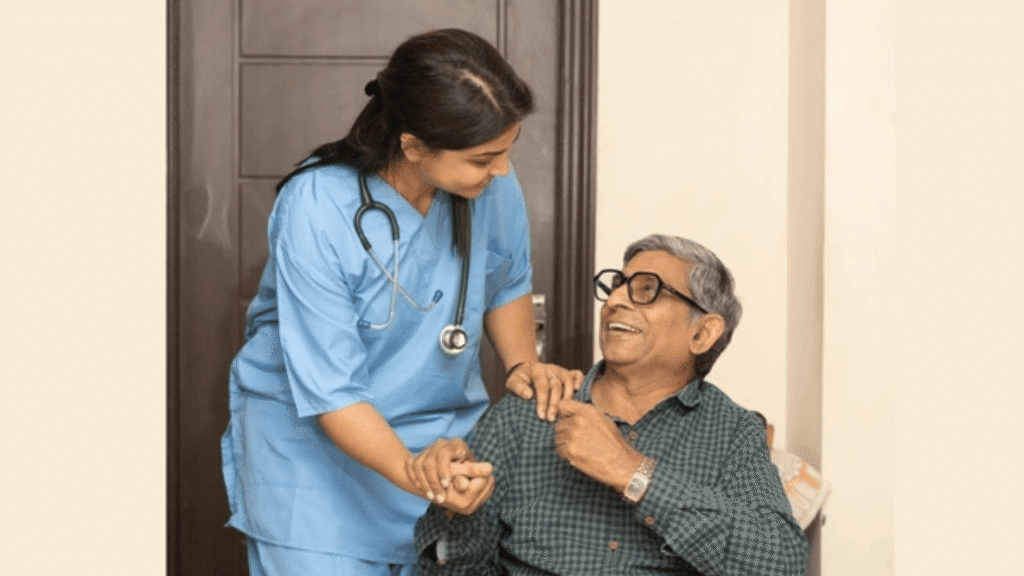
Ageing in India rarely makes noise. It happens inside modest homes, behind closed doors, in small towns where dignity is protected even during hardship. Many elderly individuals survive on limited pensions while managing chronic illnesses that demand regular medication. Their children may live in different cities for work, sending support when possible, but distance cannot replace presence. The challenge is not always dramatic or visible. It is steady and silent rising medical bills, reduced mobility, and long hours without meaningful conversation. What they need is not sympathy. They need assurance that they are not forgotten.
What Responsible Elder Support Truly Means
Monthly ration stability to prevent nutritional compromise
Emergency support during sudden hospital visits
Personal visits that reduce isolation and restore confidence
Quiet assistance that protects dignity at all times
Elder care cannot be reduced to occasional help. It requires consistency. When medicines are delayed, health declines quickly. When meals are skipped to save money, recovery becomes slower. When days pass without interaction, emotional resilience weakens. Real support means understanding these patterns and responding before they turn into crisis. It also means ensuring that help never feels like charity. The manner of service matters as much as the service itself.
Service is not about being seen. It is about standing beside someone when they need you most.
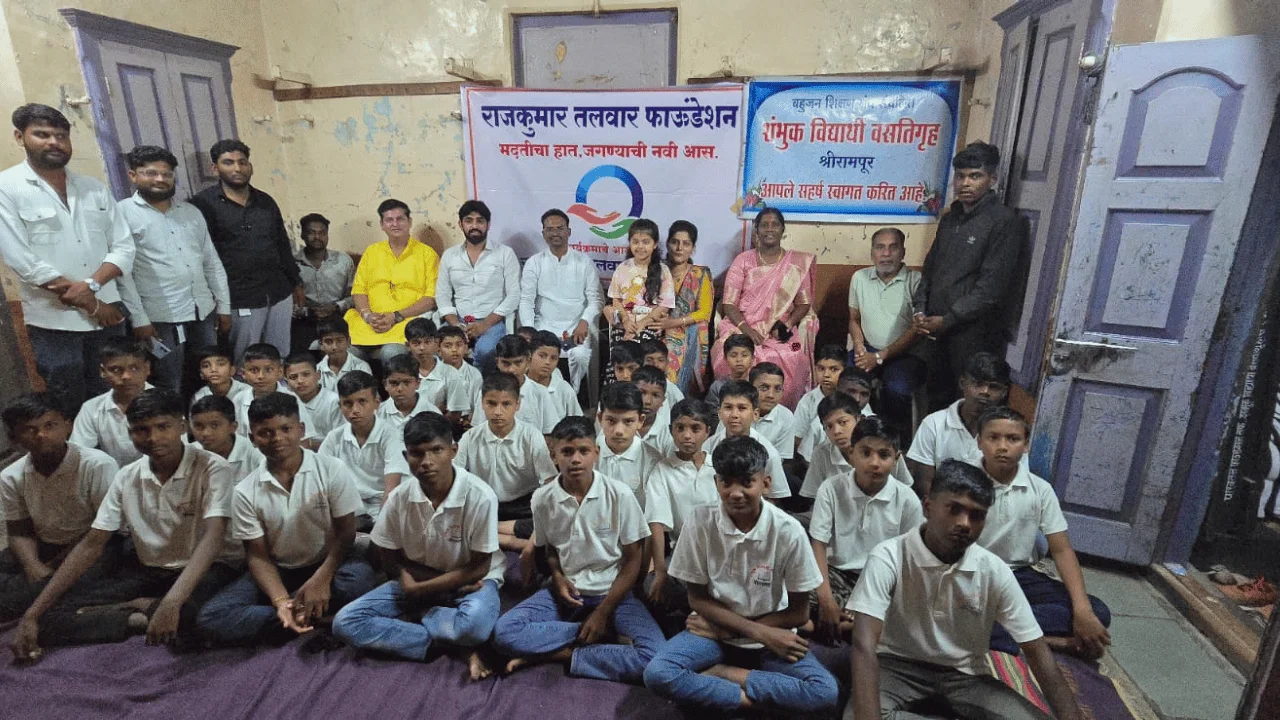
Late Rajkumar Talwar believed deeply in helping elders without publicity. His approach was simple: protect dignity, act quietly, and expect nothing in return. That belief continues through structured efforts focused on stability rather than display. When communities take responsibility for their ageing population, they protect more than individuals they protect their own values. Caring for elders is not an act of kindness alone. It is an act of respect for the life that came before us.